| Basic information | Details |
|---|---|
| Full name | Blyth Katherine Danner |
| Known as | Blyth Danner |
| Birth year | 1943 |
| Birthplace | Philadelphia, Pennsylvania |
| Profession | Actress |
| Field | Stage, film, television |
| Major awards | Tony Award, two Primetime Emmy Awards |
| Spouse | Bruce Paltrow |
| Children | Gwyneth Paltrow, Jake Paltrow |
| Grandchildren | Apple Martin, Moses Martin |
| Notable advocacy | Oral cancer awareness |
A Life Built on Stage Light and Quiet Strength
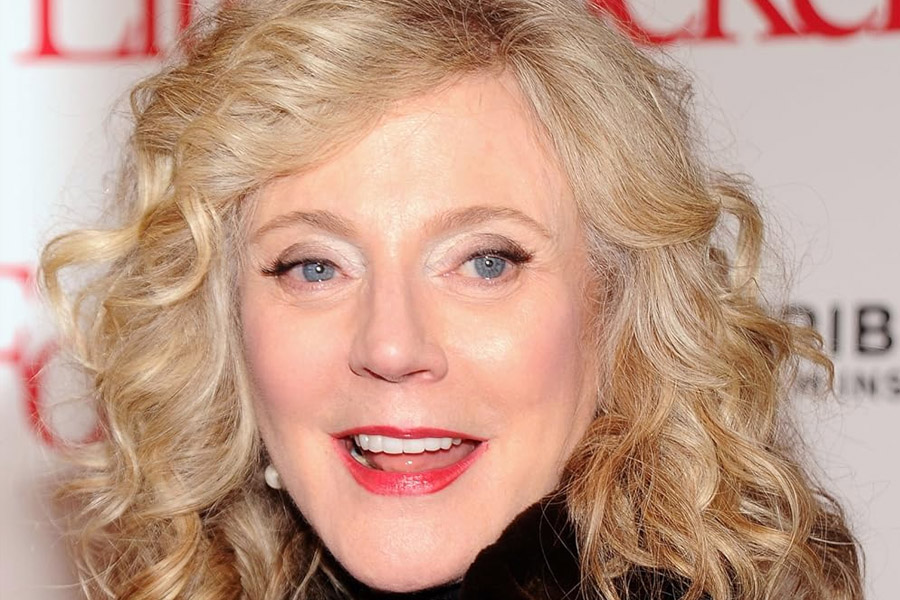
Blyth Danner was a performer who could fill a room without shouting. Her presence has always been more like a deep river than sudden flood. Born in Philadelphia in 1943, she became one of the most acclaimed actors of her period, juggling stage, cinema, and television. Her genuine education came from years of live performance, where discipline, timing, and emotional perfection count as much as talent, albeit she attended Bard College.
Theater was her foundation throughout her career. Her style was sophisticated, warm, and not brittle. Her stage presence was uncommon, combining intelligence and emotion. She could turn a glance into dialogue on screen. She maintained her uniqueness across decades of changing tastes.
Sometimes her prestige roles and sophisticated performances make her seem distant, but that’s not true. Blyth Danner has always prioritized humanity. She has portrayed complicated, vulnerable, hilarious, harsh, hopeful, and wounded women. Her career reads like a carefully studied life exhibit.
Family Roots and Personal Bonds
Blyth Danner’s family story is as notable as her career. I think of it as a tree with strong branches and a few especially bright leaves. Her parents were Katharine Danner and Harry Earl Danner. They gave her the foundation that eventually led to a life in the arts, even if that path was not guaranteed from the start.
Her sibling relationship also matters in understanding her world. Harry Danner, her brother, became an actor and opera singer. That means the family did not just produce one artist. It produced a household where performance, voice, and presence all had a place. In families like that, creativity can feel less like rebellion and more like inheritance.
Her marriage to Bruce Paltrow shaped another major chapter of her life. Bruce was a filmmaker and producer, and their partnership joined two creative temperaments under one roof. Their marriage lasted until his death in 2002. The bond between them remained central to the family even after that loss, and it later became part of Blyth Danner’s public advocacy work connected to oral cancer awareness.
Her children, Gwyneth Paltrow and Jake Paltrow, have both built public careers of their own. Gwyneth became an actress and businesswoman, while Jake worked as a filmmaker, writer, and actor. I find it interesting that the family did not move in only one artistic direction. Instead, it branched out, almost like a family script rewritten in different genres.
Gwyneth Paltrow, especially, became a major cultural figure. That made Blyth Danner not only a respected actress but also a mother to one of the most discussed women in entertainment. Still, Blyth never seemed swallowed by that identity. She remained herself, a performer whose own work stands apart.
Her grandchildren are Apple Martin and Moses Martin, the children of Gwyneth Paltrow and Chris Martin. Their names appear often in public conversations because the family sits at the intersection of film, music, and celebrity culture. Yet the deeper picture is more intimate. Blyth Danner is a grandmother, and that role adds warmth to her public image. In a world that often treats famous families like glossy objects, she helps keep the story grounded in kinship.
Career Milestones That Shaped Her Legacy
Blyth Danner’s career has been long, layered, and graceful. I think her major achievement is not just the awards she won, but the consistency she maintained. She did not burn brightly for a short time. She kept building.
Her stage work came first and remained foundational. She earned acclaim in major theater productions and won a Tony Award for Butterflies Are Free in 1970. That award marked her as a serious stage actress with staying power. She also won the Theatre World Award for The Miser, which further established her reputation in live performance.
Her television career became especially visible later. She won two Primetime Emmy Awards for her role in Huff, and those wins confirmed that she was not simply a stage veteran who occasionally appeared on screen. She was a fully active force in television drama. She also earned nominations for other work, which shows how regularly she remained in the conversation.
Her film career has been equally rich. She appeared in 1776, The Great Santini, Mr. and Mrs. Bridge, The Prince of Tides, To Wong Foo, Thanks for Everything! Julie Newmar, Meet the Parents, Meet the Fockers, Little Fockers, I’ll See You in My Dreams, What They Had, and The Tomorrow Man. That is a catalog with range. It moves from political musical drama to family comedy to reflective late-career work.
What I admire most is that she aged into her career rather than away from it. So many actors are pushed toward the margins as years pass. Blyth Danner stayed visible. She remained a living part of the entertainment world, not a memory from it.
Her work at the Williamstown Theatre Festival also deserves attention. It became a long-term artistic home, and that kind of loyalty tells me a lot about her character. She was not only passing through the theater world. She helped shape it.
Health, Advocacy, and Later Recognition
Later public life featured Blyth Danner’s personal fight with mouth cancer. Survivorship of the condition deepened her activism. She promoted oral cancer awareness when Bruce Paltrow died. What gives her public life more purpose. She transformed loss into action.
Her recent interviews, public appearances, and family moments have also garnered attention. She remains in entertainment discussions because people want to hear her voice. Important statement. Her presence matters.
Her honor has continued. Beyond the Tony and Emmys, she is recognized in theater circles by actors who value craft above spectacle. I think her reputation is endurance, polish, and emotional honesty. Her career feels durable since it was meticulously established.
Extended Family Portrait in Brief
When I look at Blyth Danner’s family, I see three generations with distinct identities but shared creative DNA. Her parents gave her roots. Her brother Harry Danner expanded the family’s artistic reach. Her marriage to Bruce Paltrow linked her to another creative branch. Her children, Gwyneth and Jake, each carried the family into new territories. Her grandchildren, Apple and Moses, represent the newest chapter.
This family story is not just about fame. It is about continuity. It is about how talent can travel through a household like light through glass, changing shape but not losing brightness.
FAQ
Who is Blyth Danner?
Blyth Danner is an American stage, film, and television actress born in 1943 in Philadelphia. She is known for a long career that includes theater awards, Emmy wins, and major film roles.
Who are Blyth Danner’s closest family members?
Her parents were Katharine Danner and Harry Earl Danner. Her brother is Harry Danner. Her late husband was Bruce Paltrow. Her children are Gwyneth Paltrow and Jake Paltrow. Her grandchildren include Apple Martin and Moses Martin.
What is Blyth Danner best known for?
She is best known for her acclaimed stage work, her Tony Award, her two Emmy Awards for Huff, and her roles in films such as Meet the Parents, The Prince of Tides, and Mr. and Mrs. Bridge.
Has Blyth Danner been active in advocacy?
Yes. She has been involved in oral cancer awareness, especially after the illness and death of her husband Bruce Paltrow from oral cancer.
Is Blyth Danner still relevant today?
Yes. She remains a respected figure through her career legacy, family visibility, interviews, public appearances, and continuing recognition across film, television, and theater.