A Private Life Shaped by Family and Community
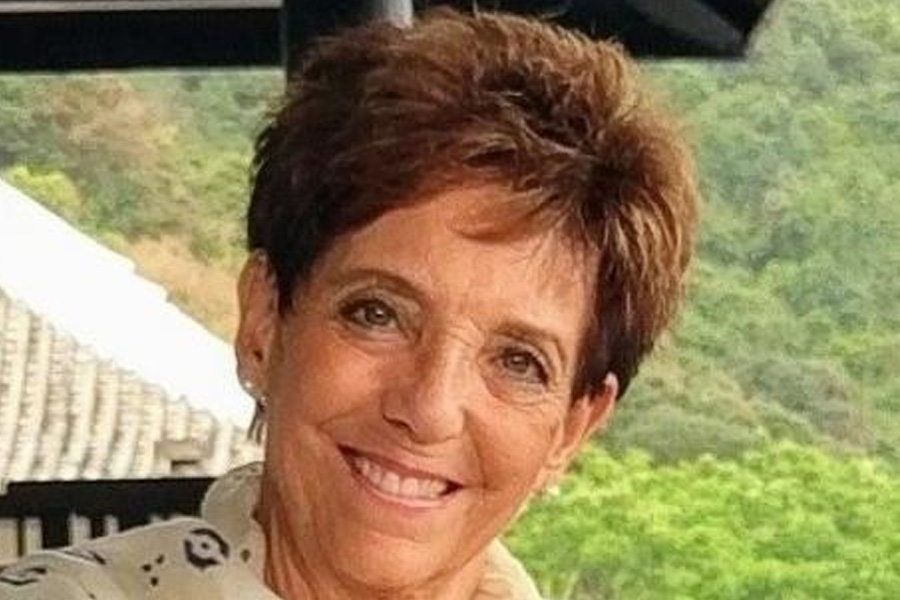
I think of Carole Crowell as one of those people whose story does not shout, yet still leaves a mark. Her public life was not built on constant spotlight or loud self-promotion. Instead, it unfolded with the steady rhythm of family, civic service, church involvement, and personal devotion. The record that survives most clearly shows Carole Crowell Pettit as a New Orleans woman who lived with purpose, raised a family, supported community institutions, and stood beside one of basketball’s most recognizable names, Bob Pettit.
Her story matters precisely because it is not overstuffed with headlines. It has the shape of a well-kept home. The details are measured, but they reveal warmth, structure, and intention. Carole was born in 1944 and died on September 21, 2010, at the age of 66. Those dates frame a life that stretched across decades of social change, family growth, and civic engagement. Her name is most often preserved through family records, obituary notices, and memorial references, yet that limited visibility should not be mistaken for smallness. Some lives are like candlelight in a tall room. They do not flood every corner, but they keep the space alive.
Marriage to Bob Pettit
Carole Crowell’s most widely recognized personal relationship was her marriage to Bob Pettit. They married on June 19, 1965, and their marriage became a long thread running through the public memory of both families. Bob Pettit was already a celebrated figure in American sports, but the story here is not only about fame. It is also about partnership.
In marriage, the public may see the trophy shelf, but the private world is built in the kitchen, at the church, around the table, and in the quiet moments between obligations. Carole’s life appears to have been anchored in that quieter architecture. She was not known mainly as a celebrity spouse in the usual noisy sense. Rather, she seemed to function as the steady center of a family orbit that included children, grandchildren, siblings, and community ties.
Bob Pettit’s later career in banking and financial consulting gave the household a second act beyond basketball, and Carole was part of that life as it moved through New Orleans society, civic circles, and family continuity. Their marriage produced a family that became one of the most important parts of her public legacy.
Children and Grandchildren
Carole and Bob Pettit had three children: Robert L. Pettit III, Peyton Pettit Greene, and Mary Pettit Mozingo. Their names appear as the clearest continuation of her family line, and they show how the family branch extended into the next generation. I read that list as a kind of family map, each name a path leading outward from the same root.
Robert L. Pettit III carries the direct line of the family name, a sign of continuity and inheritance. Peyton Pettit Greene suggests the blending of family identity with a new household line, as names do when generations move forward. Mary Pettit Mozingo carries the Pettit name into another branch as well, showing how family identity evolves while still remaining connected to its source.
The obituary record also notes 10 grandchildren. Their individual names are not consistently listed in the public material, but the number itself matters. Ten grandchildren is not a footnote. It is a living field of memory. It means birthdays, holiday tables, stories repeated across generations, and the gentle spreading of a family tree whose branches were still growing when Carole died. That many grandchildren suggest a family that did not stop with one era. It kept unfolding.
Siblings and Extended Family
Carole has siblings Richard L. Crowell Jr. and Nancy Crowell Owens. These names indicate that Carole had a larger family than her husband and parents. Siblings are generally one’s first audience. They have the same early landscape, family language, and secret history that outsiders never see.
Her brother is Richard L. Crowell Jr., per obituaries. Sister Nancy Crowell Owens. Their presence implies that Carole’s relationships were established in a family network that survived her death. Siblings are another mirror for a person known through a spouse or children. The original shape is remembered.
Some older archived information mentioned a different brother name, but the more reliable public record names Richard L. Crowell Jr. I consider that the clearest picture. Certainty in family history is like light through trees—enough to see the road but not every leaf.
Civic Life, Church, and Community Involvement
Carole Crowell’s public identity was not limited to being a wife and mother. She was active in Trinity Episcopal Church, the National Society of Colonial Dames of America, and Hermann-Grimma, also associated with Gallier House service. These affiliations matter because they reveal where she placed her time and attention.
Church life often says more about a person than polished biographies do. A church is where devotion becomes habit, where presence matters, where consistency is its own language. Her involvement at Trinity Episcopal Church suggests that faith was a meaningful part of her daily life, not merely a label.
Her work with heritage and preservation groups points in a similar direction. The National Society of Colonial Dames of America and Hermann-Grimma connected her to civic stewardship and historical memory. That kind of service is not flashy. It is more like tending a garden wall than planting a parade banner. It keeps beauty standing. It keeps history from slipping away.
The memorial references also show that she planned for Trinity in her estate and that the family later helped dedicate the Carole Pettit Annex in her memory. That is the sort of detail that tells me her influence continued beyond her lifetime. Money can vanish quickly, but intention can become a structure, and structure can outlast the person who first imagined it.
Career, Finances, and Work Achievements
Carole Crowell’s corporate and professional career is not well-known. Community leadership, civic engagement, and estate planning show her accomplishments. That does not reduce them. It differentiates them.
Biographies often measure career by title. I think stewardship is better here. Memorial records show her financial and philanthropic contributions, especially to Trinity and the memorial annex. This shows planning, not random giving. She may have thought ahead.
Bob Pettit’s post-basketball career was part of the family’s finances. He co-founded Equitas Capital Investors after banking and financial consulting. Carole’s past significant since her family valued public accomplishment and private accountability. They apparently merged reputation, planning, and service in their family.
Bob Pettit and the Family Legacy Around Her
Bob Pettit’s achievements are widely known, but in the context of Carole Crowell, what stands out is not the medals alone. It is the family frame around them. He was not simply a star in isolation. He was Carole’s husband, the father of their children, and part of a shared legacy that included grandchildren and memorial ties.
That family frame gives Carole’s life its shape in public memory. She is often remembered through the surname Pettit, yet her own identity remains tied to Crowell, to family, to church, to service. A life does not become less real because it is less documented. Sometimes the deepest rivers are the ones that do not announce themselves from far away.
FAQ
Who was Carole Crowell?
Carole Crowell was a New Orleans woman best known publicly as Carole Crowell Pettit, the wife of Bob Pettit. She was also active in church, civic, and preservation circles, and she left behind a family that included three children, siblings, and grandchildren.
Who was Carole Crowell married to?
She was married to Bob Pettit. Their marriage began on June 19, 1965, and remained an important part of her public and family identity.
How many children did Carole Crowell have?
She had three children: Robert L. Pettit III, Peyton Pettit Greene, and Mary Pettit Mozingo.
Did Carole Crowell have siblings?
Yes. Public records name two siblings, Richard L. Crowell Jr. and Nancy Crowell Owens.
What is known about her community involvement?
She was active in Trinity Episcopal Church, the National Society of Colonial Dames of America, and Hermann-Grimma and Gallier House related preservation work. Her memorial references also show a lasting connection to Trinity and family philanthropy.
Is there much public information about her career?
Not much in the traditional sense. Her public legacy is tied more to family, civic service, church involvement, and estate planning than to a widely documented professional career.
What makes her life notable?
Her life is notable for its blend of family devotion, community service, and quiet continuity. She lived in the orbit of a famous husband, yet her own legacy rests on relationships, stewardship, and the enduring circle of descendants and community ties.